Science & Technology
Advanced diagnostic technologies that help us create a complete picture of your health.

VO₂ Max
The gold standard of metabolism testing
What It Is
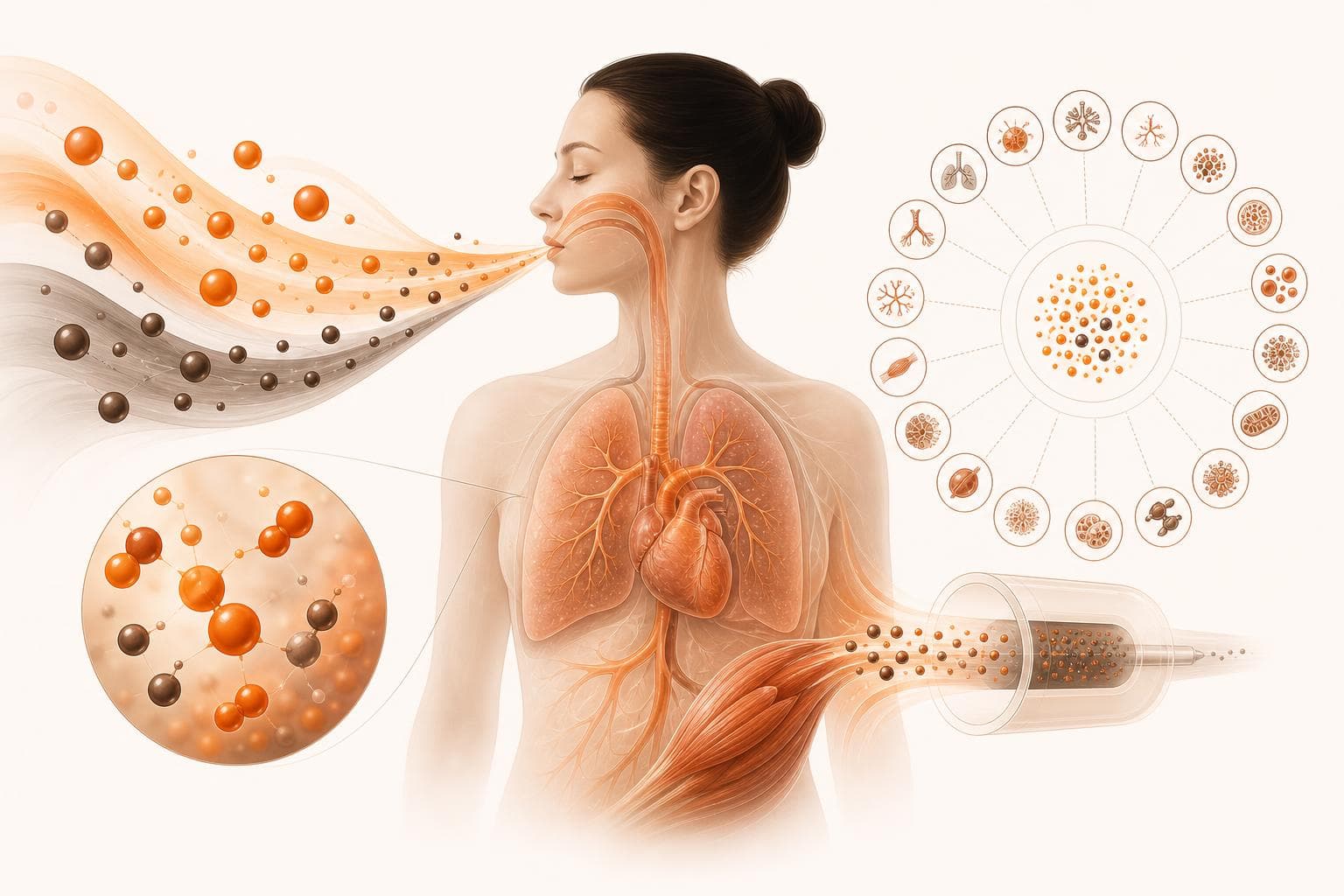
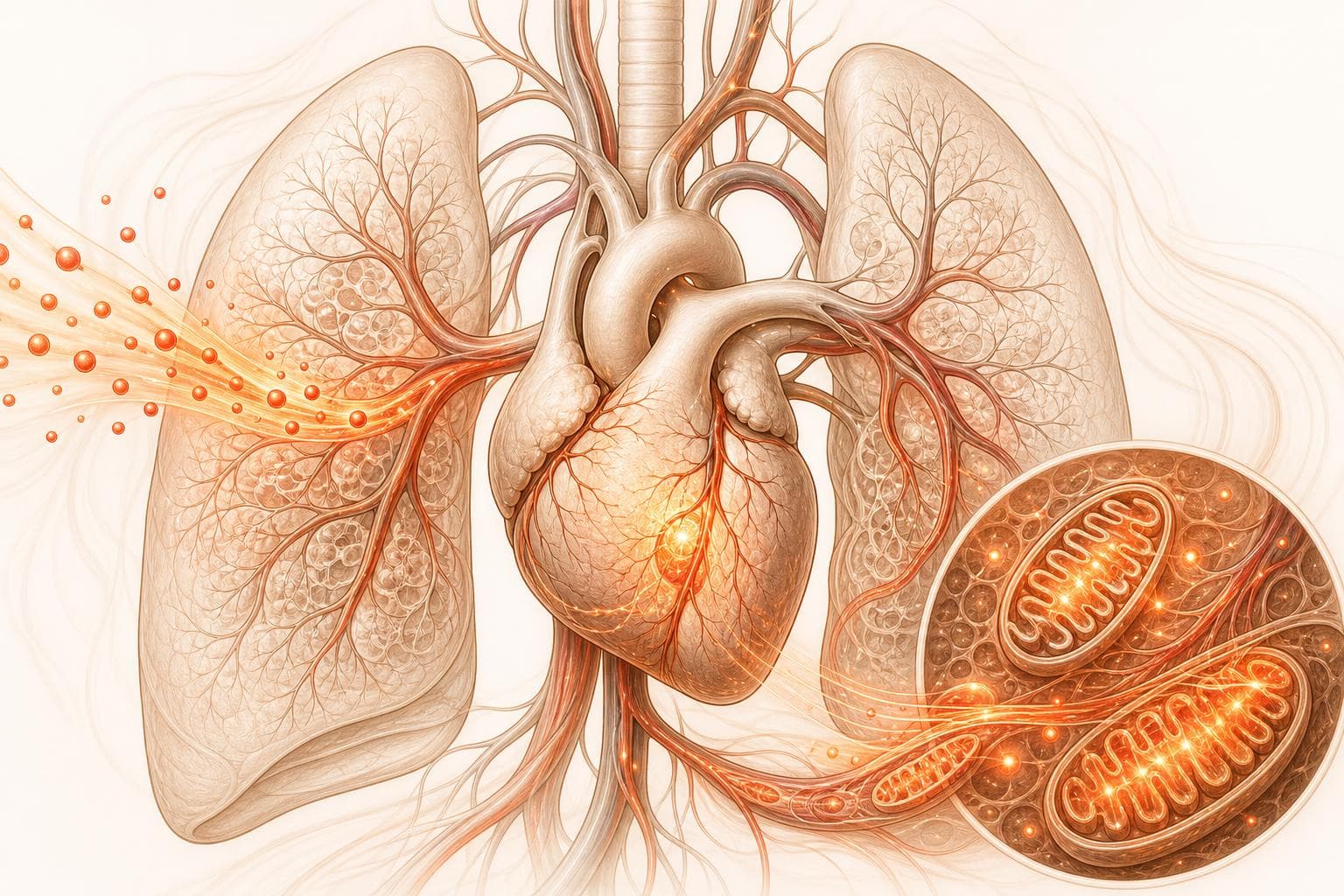
VO₂ Max testing precisely determines how efficiently your body uses oxygen both at rest and during physical exertion. This is one of the primary indicators of cardiovascular fitness, mitochondrial health, metabolic efficiency, and longevity potential.
Using advanced breath-analysis technology, we assess in real time how your heart, lungs, muscles, and metabolism work together.
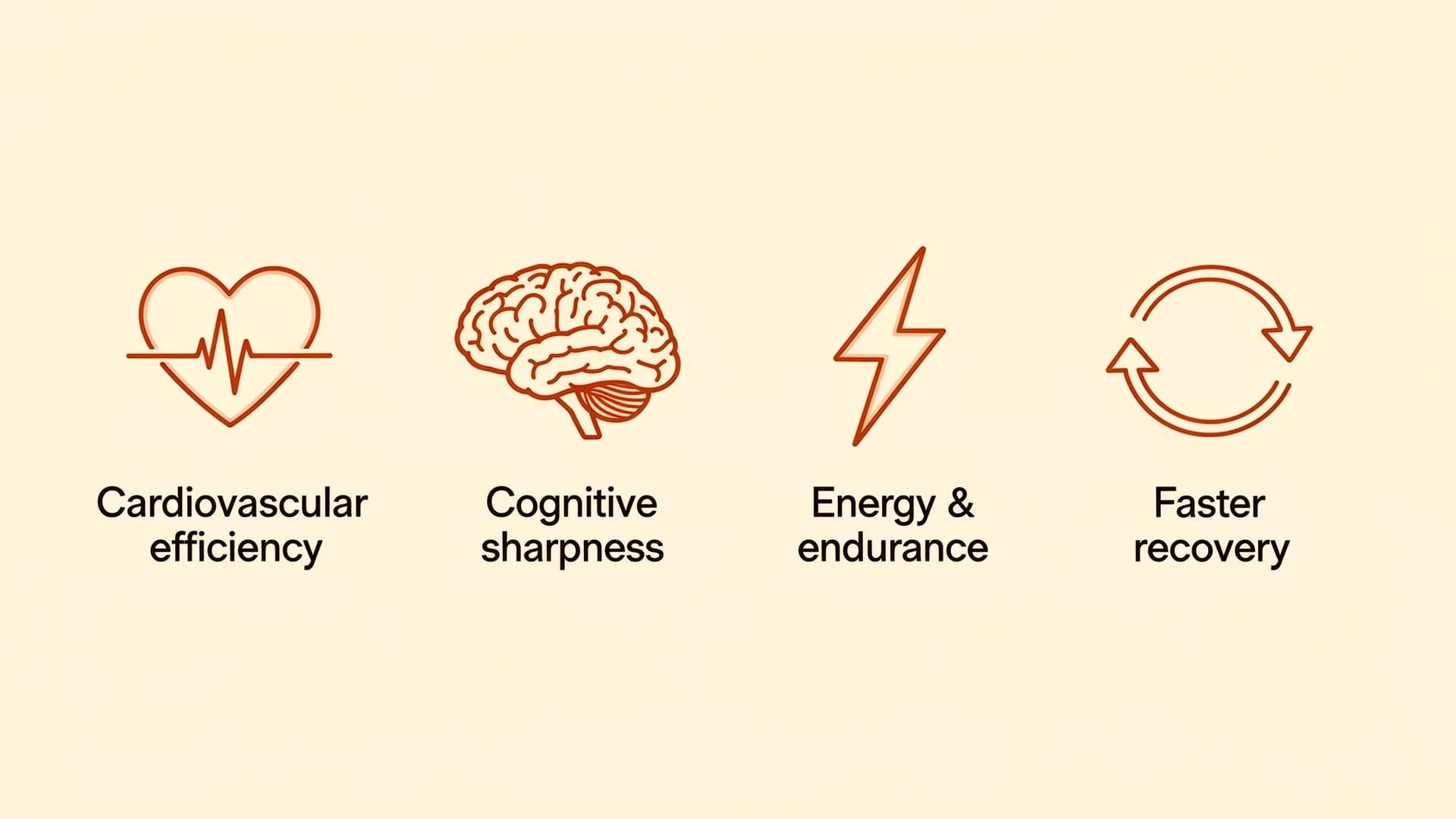
VO₂ Max testing provides a complete analysis of how your body produces energy, uses oxygen, and responds to physical load in real time. Using advanced breath-analysis technology, the assessment delivers precise information about cardiovascular function, metabolic health, endurance capacity, and overall physiological resilience.
How It Works
Technology uses advanced, non-invasive breath analysis that captures your body's full physiological response to exertion in real time.
During the assessment, 23 biomarkers are measured, including:
- Precise oxygen-consumption analysis (VO₂)
- Carbon-dioxide dynamics (VCO₂)
- Metabolic flexibility
- Energy-production efficiency
The test is conducted in a controlled environment, both at rest and under light physical load, on a treadmill or stationary bike, using a dedicated breathing system.
Benefits
- Precise determination of your VO₂ Max
- Assessment of metabolic efficiency
- Identification of optimal fat-burning zones
- A personalised training plan
- Improved endurance and energy levels
- A clearer understanding of recovery quality
- Evaluation of your longevity and physiological potential
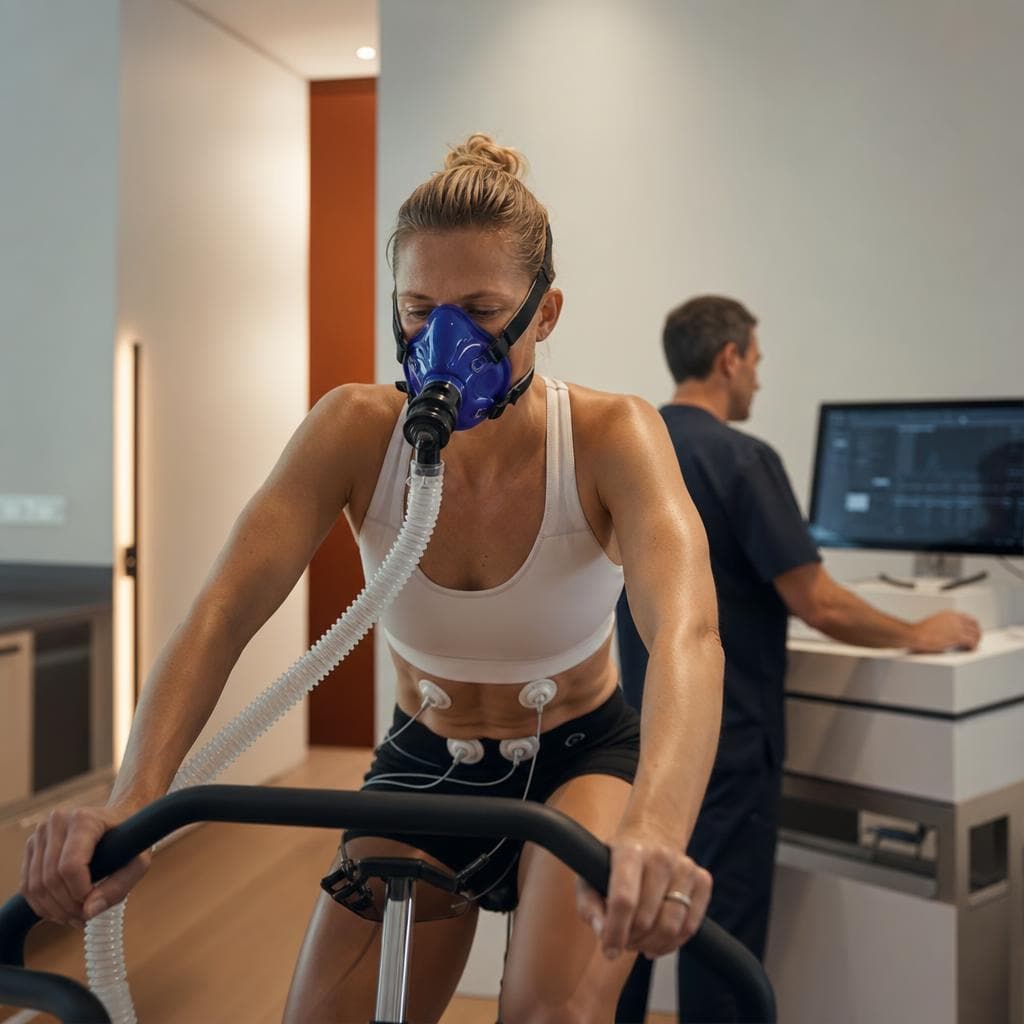
VO₂ Max testing — live metabolic measurement
IHHT
Cellular Training (Intermittent Hypoxic-Hyperoxic Training)
What It Is
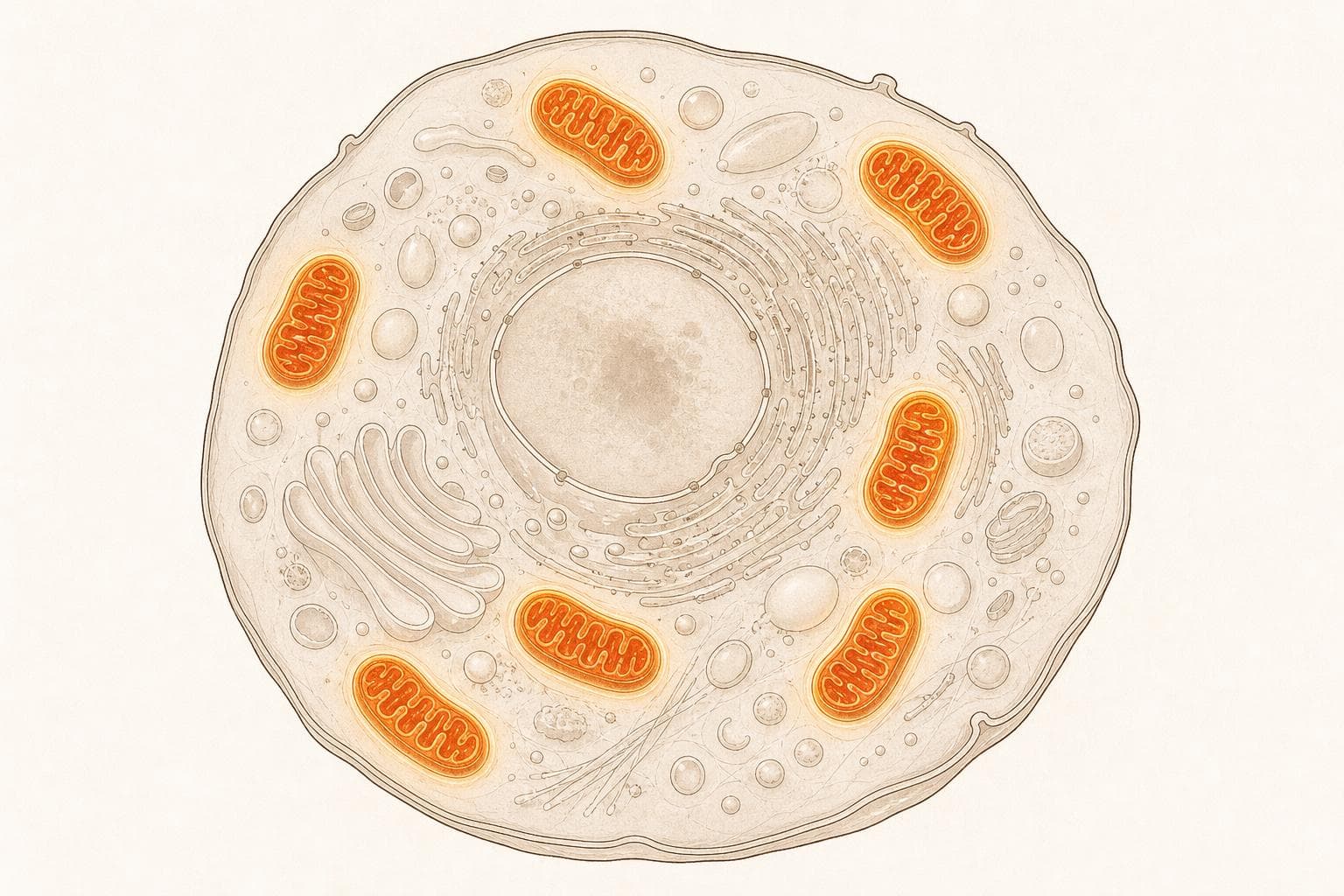
Intermittent Hypoxia-Hyperoxia Therapy (IHHT) simulates the physiological conditions of high-altitude training by alternating phases of low-oxygen air (hypoxia) with phases of oxygen-enriched air (hyperoxia). This controlled stimulus activates mitochondria - the energy centres of your cells - triggering cellular renewal, improved energy metabolism, and enhanced cardiovascular efficiency. The therapy is grounded in the Nobel Prize-winning discovery of how cells sense and adapt to changes in oxygen availability.
Intermittent Hypoxic-Hyperoxic Training (IHHT) is a nonpharmacological intervention that involves alternating cycles of breathing hypoxic air (9–16% O₂) and hyperoxic air (30–36% O₂) via a specialized device, designed to stimulate cardiovascular and cellular adaptive responses without requiring physical exercise.
Downstream effects include erythropoiesis, angiogenesis, enhanced antioxidant enzyme activity, mitochondrial biogenesis, improved endothelial function, and modulation of inflammatory pathways.
How It Works
You sit comfortably in a reclining chair. A mask is placed over your nose and mouth, delivering alternating cycles of hypoxic air (9 to 16% oxygen, equivalent to 3,500 to 5,500 metres altitude) and hyperoxic air (30 to 36% oxygen). Your oxygen saturation is monitored continuously via a fingertip pulse oximeter to ensure optimal dosage and safety. Sessions last 40 to 50 minutes. You can read, meditate, or rest throughout. We recommend 10 to 15 sessions, two to three times per week, for lasting effects on cellular health and performance. IHHT is not suitable for individuals with acute respiratory infections, acute lung disease, or fever.
Benefits
- Mitochondrial biogenesis: damaged mitochondria are cleared and replaced with new, high-efficiency ones - the cellular foundation of energy and longevity
- Improved VO2 max without additional training volume: documented in multiple randomised controlled trials
- Cardiac efficiency: lower resting heart rate and improved heart rate variability (HRV) over a therapeutic course
- Angiogenesis: stimulation of new blood vessel formation, improving oxygen delivery to heart, brain, and muscle
- Neuroprotection: documented improvements in memory, executive function, and mental clarity in clinical studies
- Passive protocol: effective at any fitness level, requiring no exertion - 40 to 50 minutes, reclining
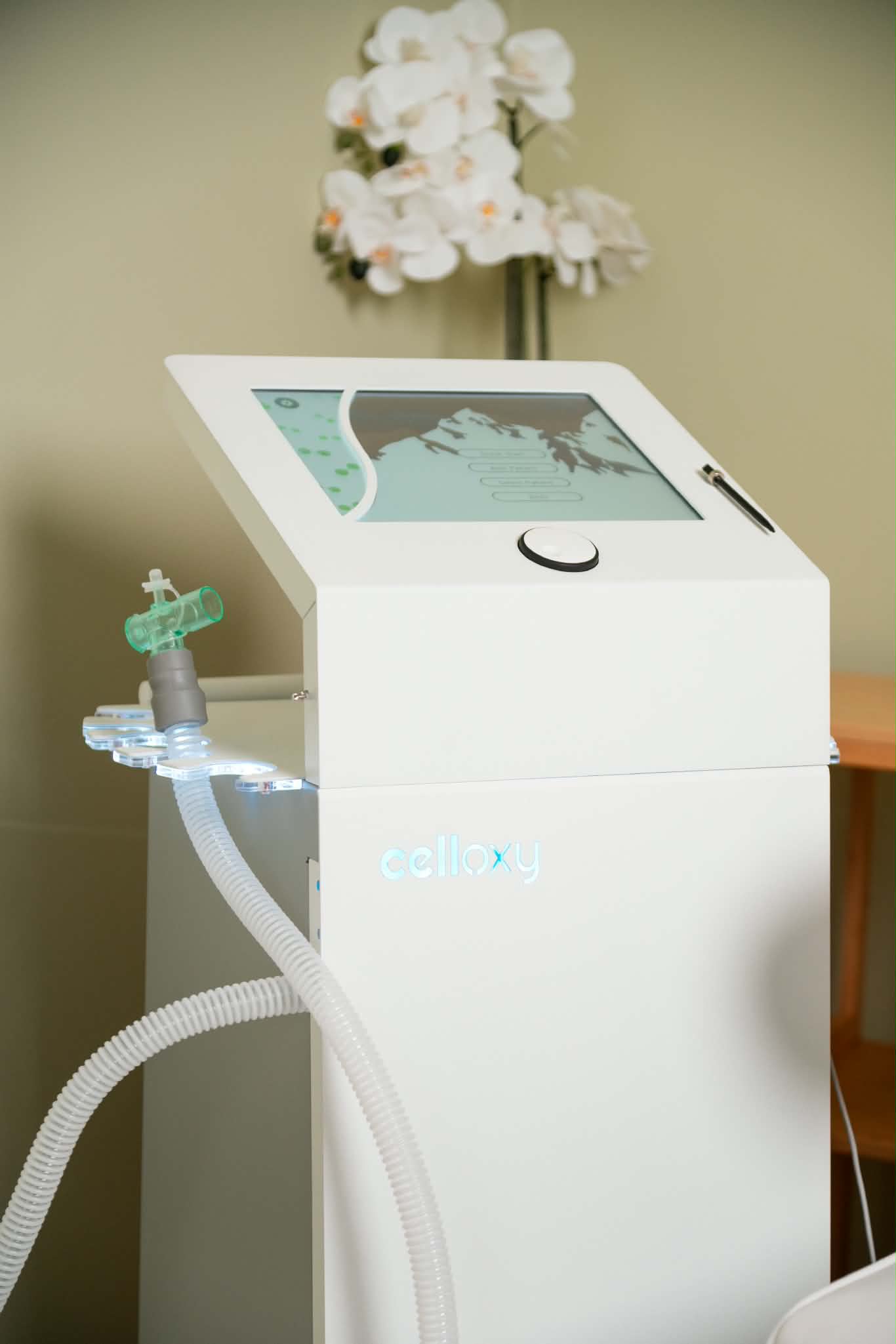
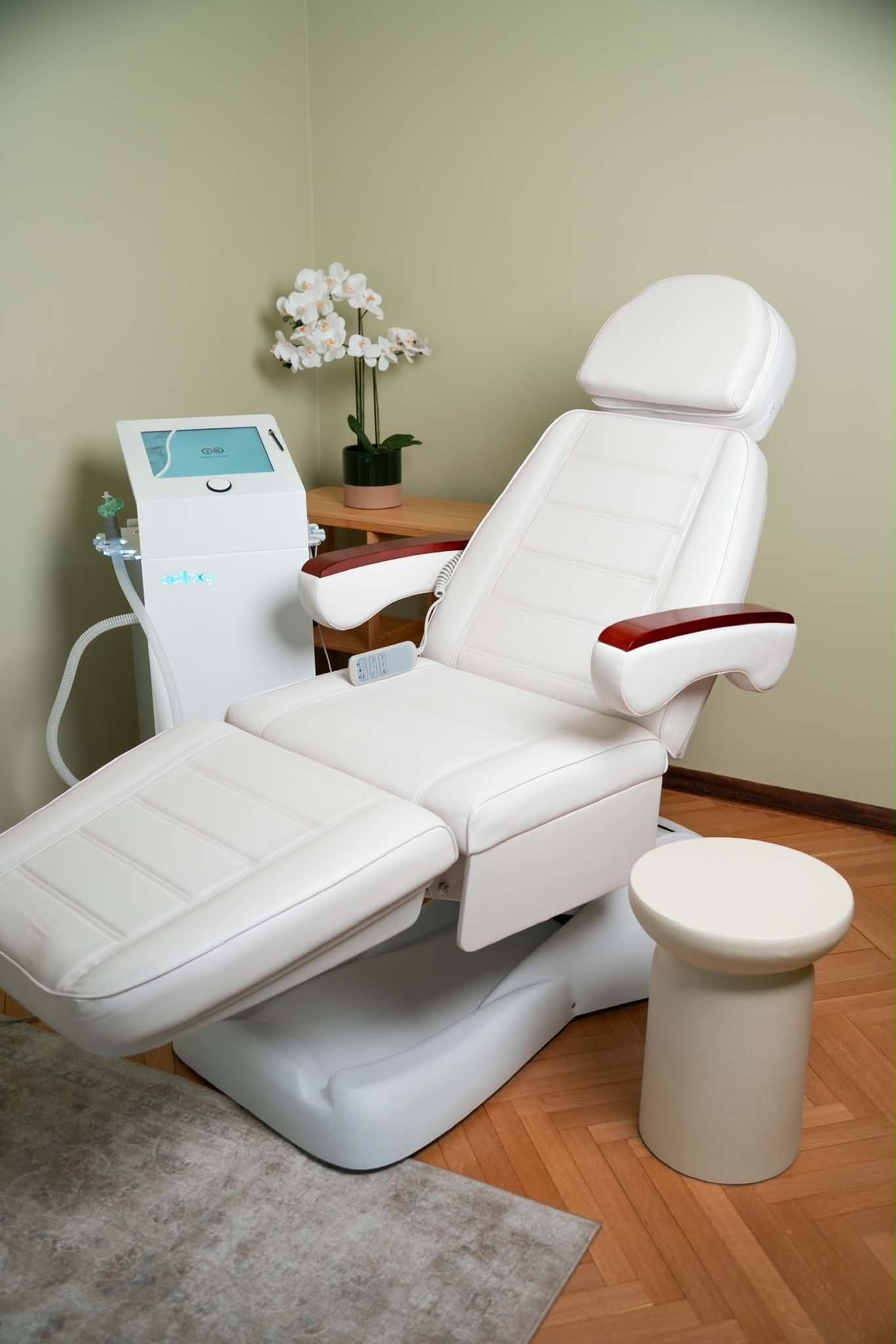
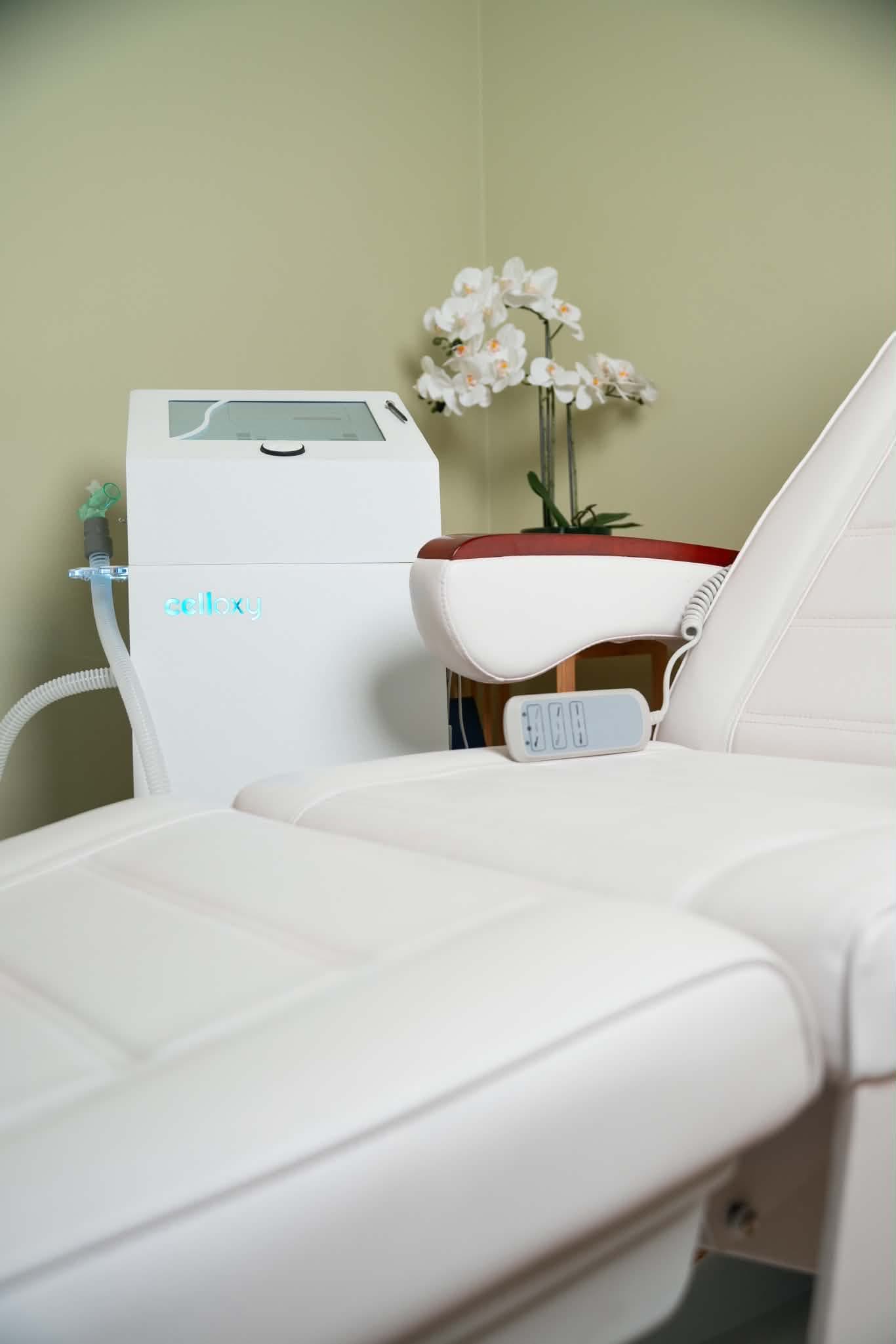
Celloxy — controlled hypoxic-hyperoxic system
Red Light Therapy
Photobiomodulation therapy for cellular energy
What It Is
Red Light Therapy (photobiomodulation) uses specific wavelengths of red and near-infrared light that penetrate the skin and stimulate cellular energy production. At the cellular level, this process supports the body's natural repair and regeneration mechanisms.
When the light reaches the mitochondria (the cells' "power centres"), it increases the production of ATP (cellular energy). This elevated cellular energy allows the body to repair tissue more efficiently, reduce inflammation, improve circulation, and stimulate collagen synthesis.
How It Works
You stand or sit comfortably between two red-light panels for 7–10 minutes. The light is absorbed by cytochrome c oxidase within the mitochondria and converted into ATP. This elevated cellular energy activates tissue repair, reduces inflammation, and stimulates collagen synthesis. We recommend 3–5 sessions per week, 10–15 in total, followed by weekly maintenance.
Benefits
- Supports tissue regeneration and overall recovery processes
- Improves skin texture and elasticity
- Stimulates collagen production
- Reduces fine lines and wrinkles
- Helps reduce acne and skin inflammation
- Accelerates wound healing and tissue repair
- Eases muscle soreness and joint discomfort
- Helps reduce inflammation
- Improves blood circulation
- Promotes rapid recovery and rehabilitation
- Supports hair growth and strengthening

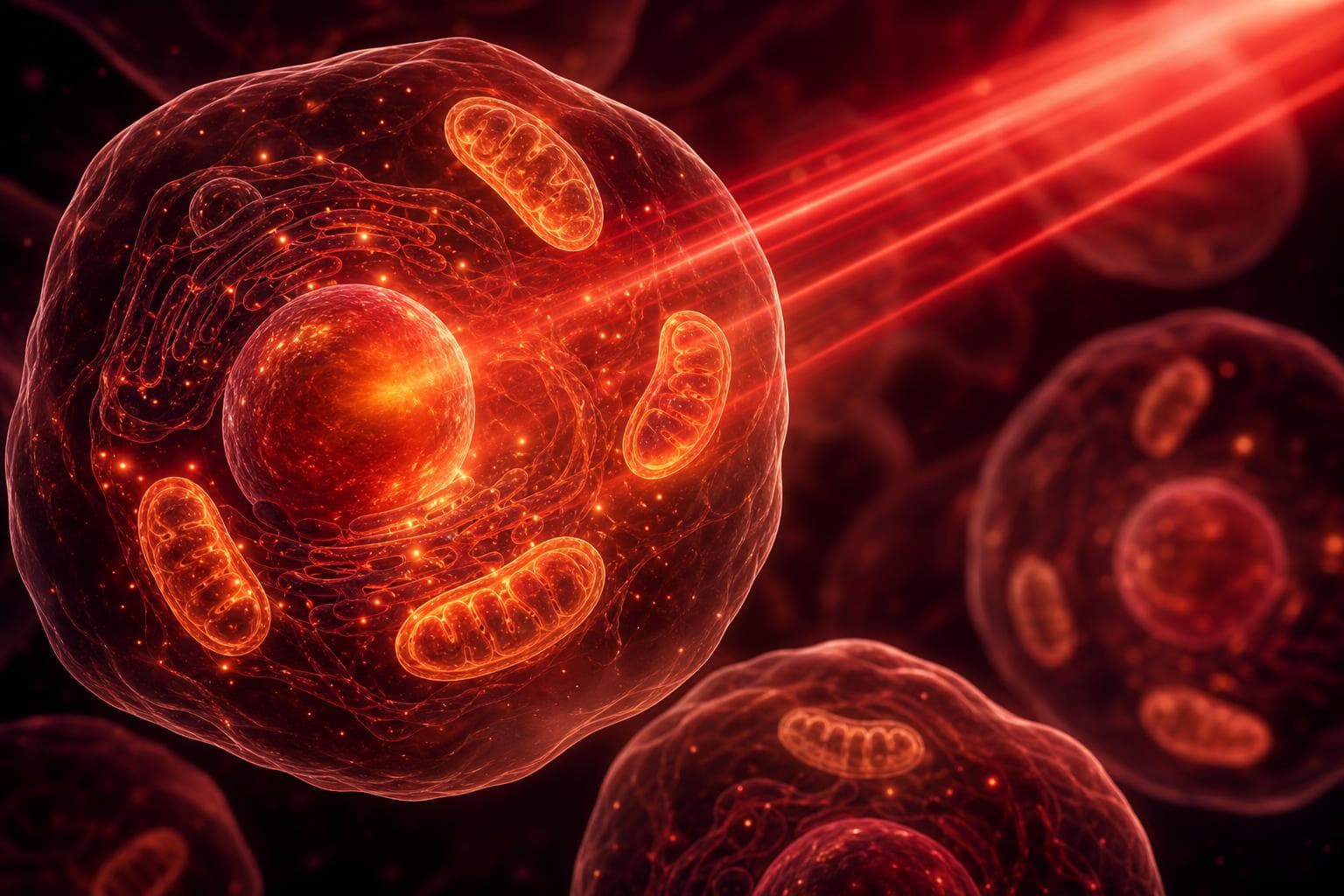



Full-body photobiomodulation
Epigenetic Testing
How old are your cells - independent of your birth year?
What It Is
Epigenetic testing measures DNA methylation patterns across more than 900,000 sites in your genome to calculate your biological age - a direct measure of how rapidly your cells are ageing, independent of your chronological age. Biological age is now considered one of the most powerful predictors of age-related disease, functional decline, and mortality available to clinical medicine.
How It Works
A small blood sample is taken at the Longevity One clinic and sent to accredited laboratory in the United States. Your DNA is analysed using next-generation sequencing, and methylation patterns are mapped against validated epigenetic clocks - including the Horvath clock, Hannum clock, and DunedinPACE - to produce multiple biological age scores. Results are typically available within four to six weeks. We recommend retesting in 6 to 12 months to track the response to your Longevity One protocol.
Benefits
- Overall biological age: how old your cells are - which may be years younger or older than your passport
- DunedinPACE: your current pace of ageing - are you ageing at 0.8 years per calendar year, or 1.2?
- Immune system age: a primary determinant of inflammation burden, infection resilience, and long-term cancer risk
- Organ-specific epigenetic clocks: identify which organ systems are ageing ahead of schedule
- Intervention tracking: the only objective method to confirm that diet, exercise, supplementation, or medical protocols are slowing your biological clock
- Based on analysis of 900,000+ methylation sites - the most validated biological age platform in clinical use


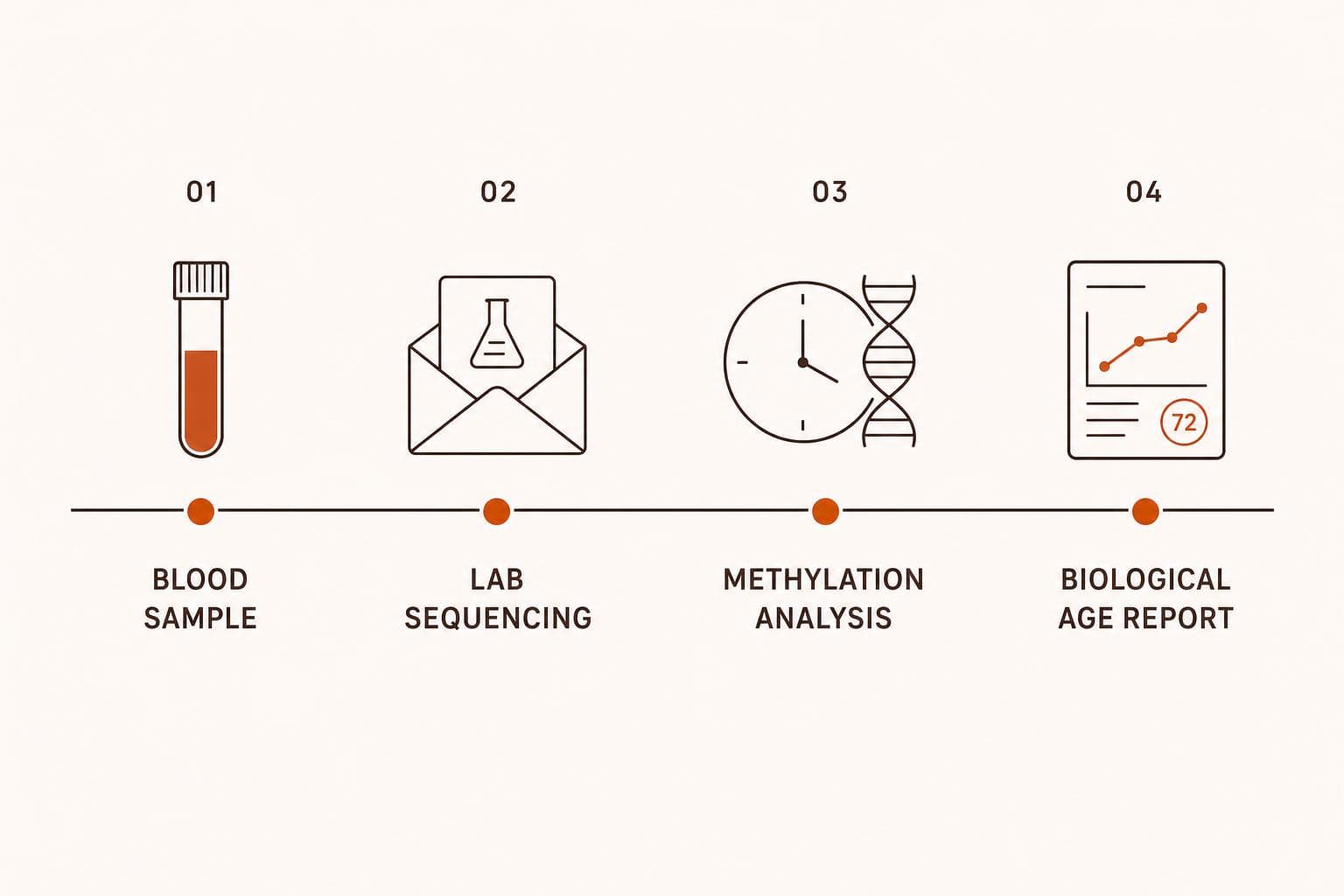
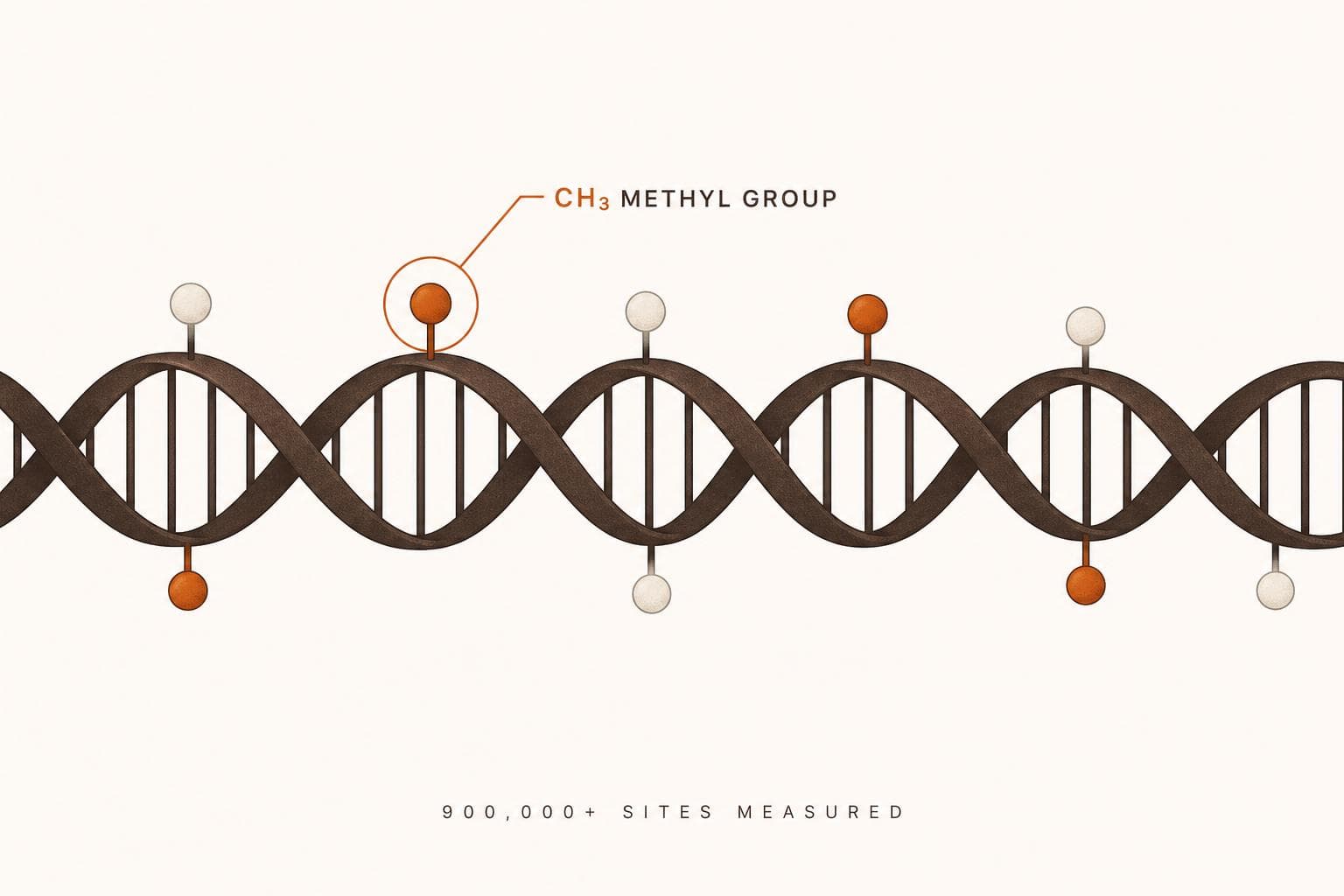
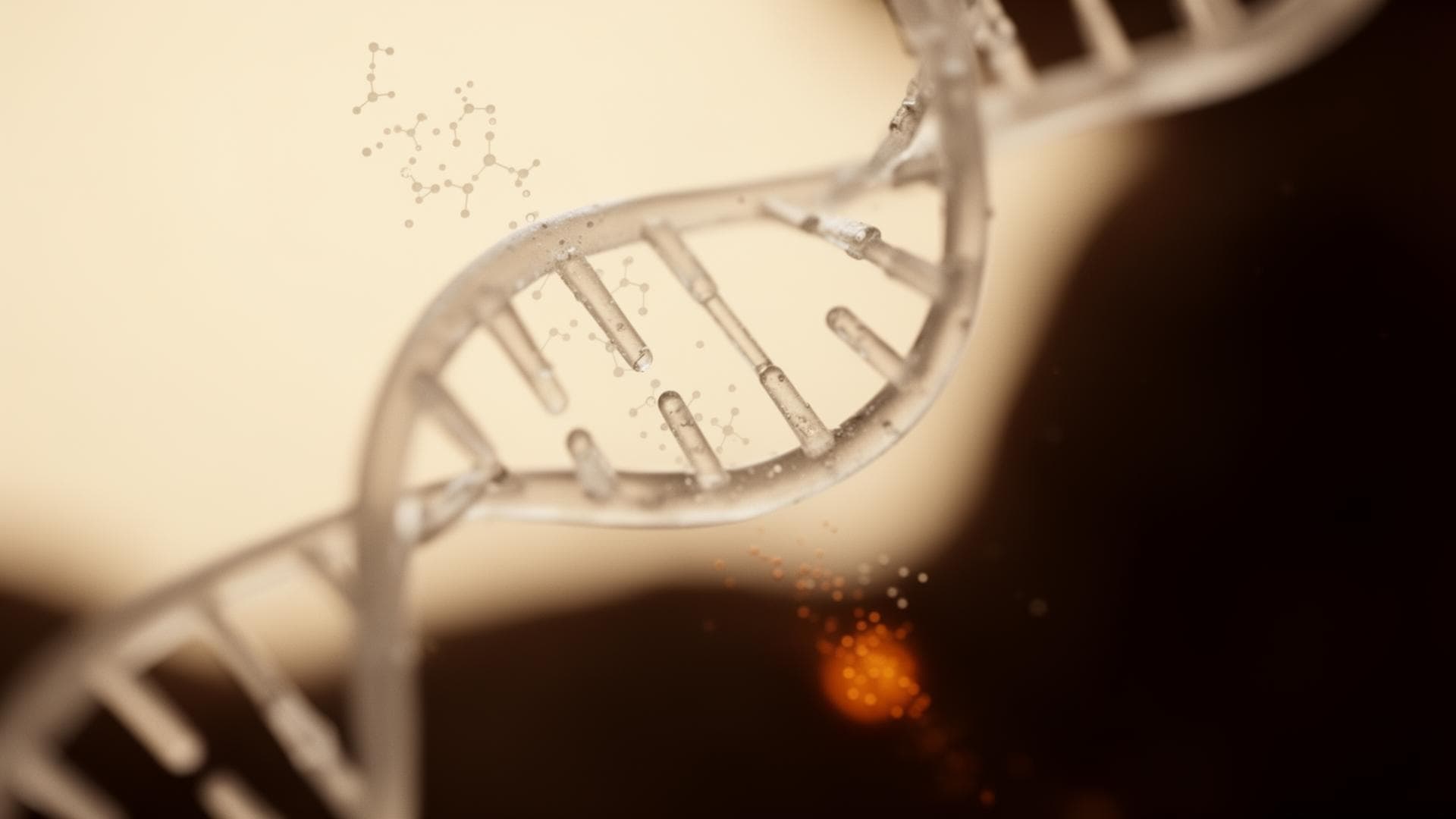
Your biological age, written in your DNA
Gut Microbiome
Your gut ecosystem shapes your immunity, metabolism, and the pace of your ageing
What It Is
AI-powered microbiome analysis uses metagenomic sequencing to identify and quantify more than 600 species of bacteria, fungi, and archaea in your gut. The proprietary AI platform, trained on clinical datasets, analyses the functional output of your microbiome - metabolite production, short-chain fatty acid synthesis, immune modulation pathways - and generates a precision nutrition and supplementation protocol targeted to your specific bacterial ecosystem.
How It Works
A stool sample collection kit is provided at the Longevity One clinic. The sample is collected at home and returned by post for metagenomic sequencing. Enbiosis's AI analyses the genetic data, identifies imbalances, maps metabolite production pathways, and generates a personalised protocol: specific foods to increase or avoid, prebiotic fibres, and targeted probiotic strains - not generic supplements, but compounds matched to your exact bacterial profile. Results are available in four to five weeks.
Benefits
- 600+ species identified: bacterial, fungal, and archaeal profiling by metagenomic sequencing - not just the standard Firmicutes and Bacteroidetes ratios
- Gut-immune axis assessment: quantified evaluation of how your microbiome is driving or suppressing systemic inflammation
- Metabolite production profile: short-chain fatty acid synthesis (butyrate, propionate, acetate), bile acid metabolism, and neurotransmitter precursor availability
- Dysbiosis scoring: quantified deviation from a clinically healthy microbiome, broken down by functional category
- AI-generated personalised protocol: specific food compounds, prebiotic fibres, and probiotic strains matched to your bacterial deficit
- Follow-up test at 12 weeks confirms microbiome restoration and protocol efficacy
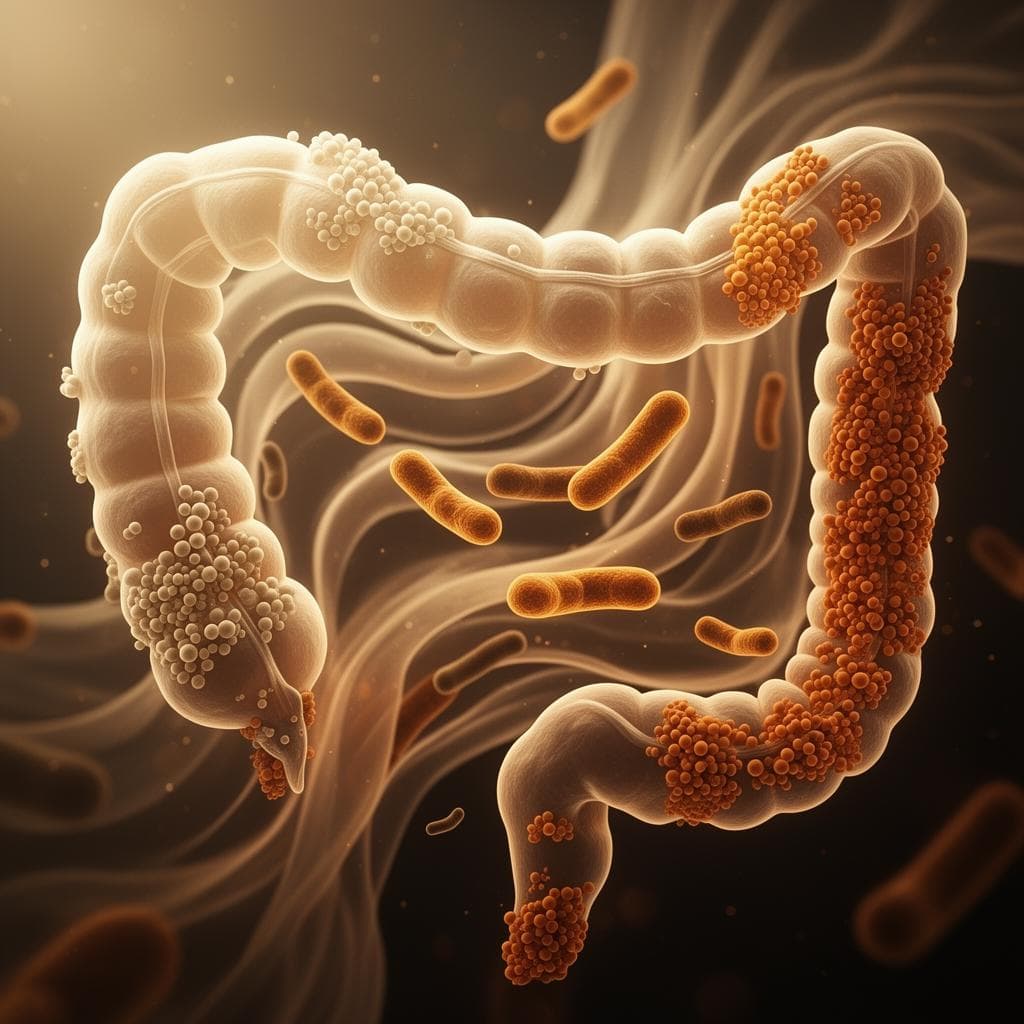

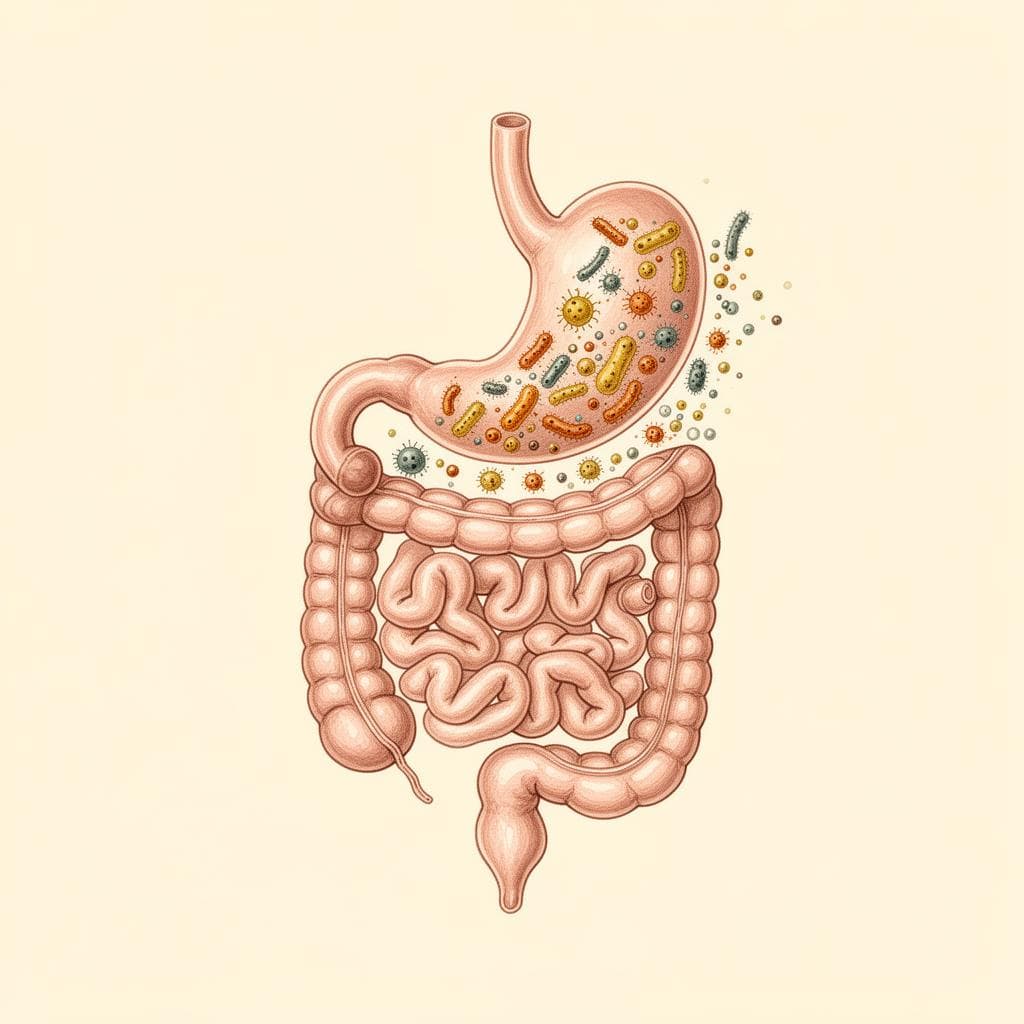

Your gut's internal ecosystem